How Often Should You Change Engine Oil in Hot, Dusty Conditions?
Hot, dusty, stop-start, and heavy-load driving can shorten oil life. Learn when to check oil condition and plan service intervals.
By Auto Marketplace Editorial Team
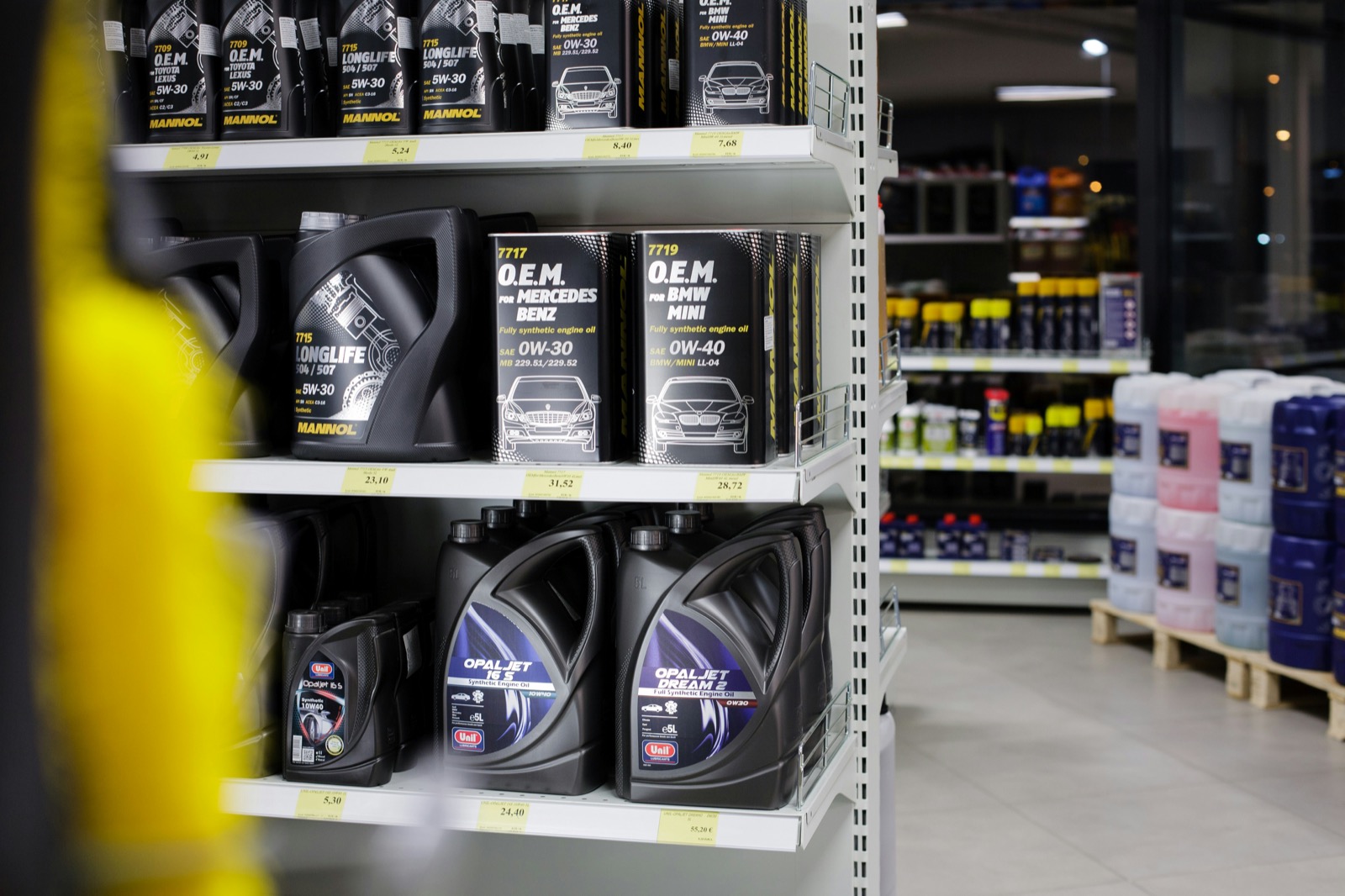
Quick answer
Follow the vehicle manual first, then shorten the interval when driving conditions are severe. Heat, dust, short trips, long idling, towing, heavy loads, and rough roads can all make oil work harder.
What counts as severe driving?
Severe driving does not only mean off-road use. Repeated short trips, stop-start traffic, long idling, dusty work sites, and heavy cargo can put extra stress on oil. In those cases, oil may need to be checked and changed sooner than the normal service schedule.
Signs to check oil sooner
Check oil level and condition if the engine sounds rough, the oil looks very dark or gritty, the vehicle has worked in dust, or the service reminder is near. Dark oil alone is not always failure, but it is a reason to inspect the service record.
Why the right oil matters
The right oil grade helps protect the engine at startup and operating temperature. Using an approved quality oil and changing it on time is usually cheaper than repairing wear caused by neglected service.
For business buyers
Workshops and fleets should plan oil stock around service schedules. Keep a simple reorder point, record which grades each vehicle uses, and request quotes before the next service window.
Browse oil products and use Request Quote for workshop or fleet quantities.
Ready to buy?
Browse available products, add items to cart, or send the cart as a business Request Quote. Stock is confirmed before fulfillment.