How to Spot Genuine Automotive Lubricants Before You Buy
Avoid risky oil purchases by checking packaging, grade, seal condition, product details, and buying records before checkout.
By Auto Marketplace Editorial Team
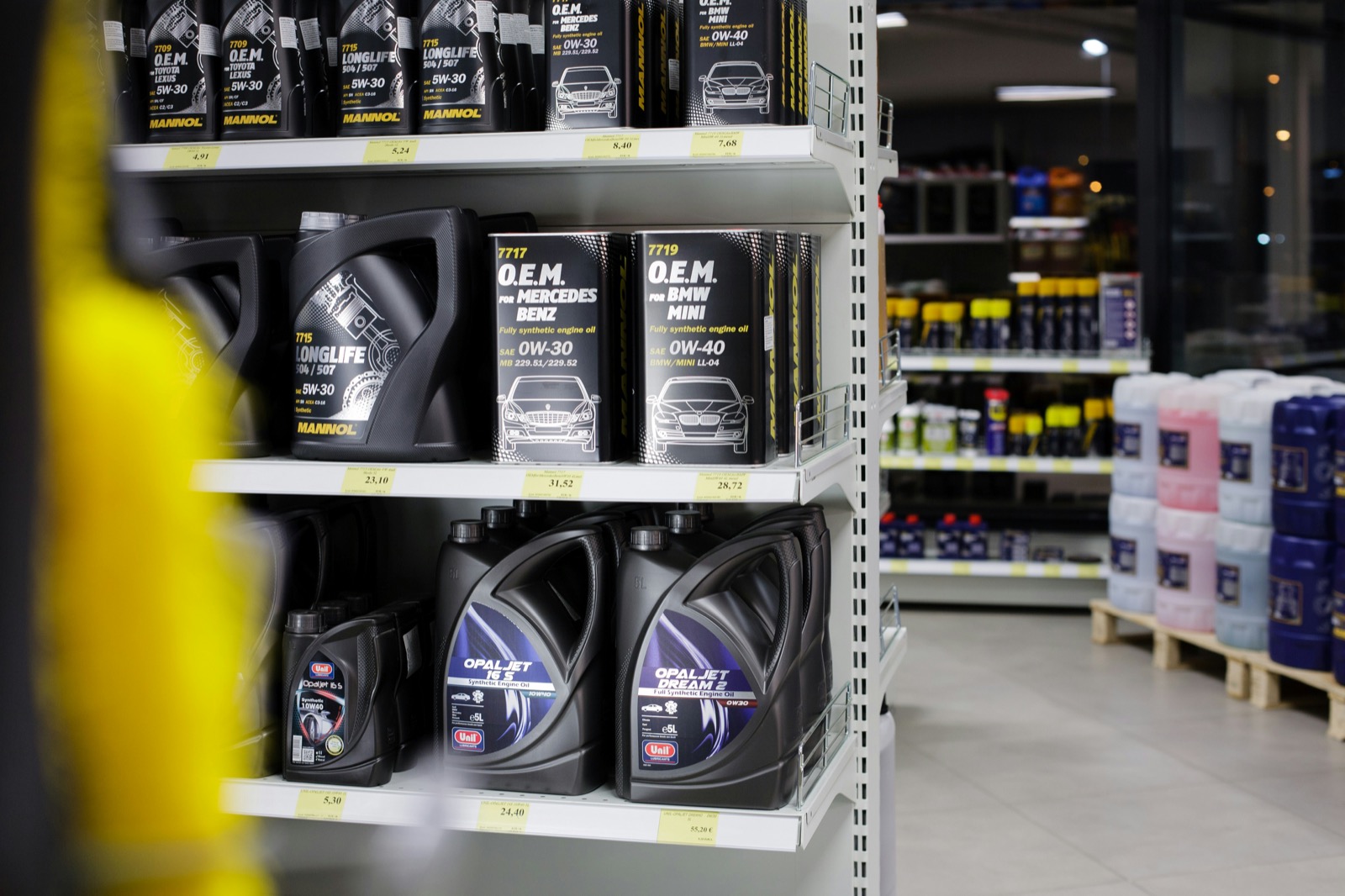
Quick answer
Before buying lubricant, check the bottle condition, seal, label quality, viscosity grade, product name, pack size, and whether the seller provides a clear order record. Do not buy oil if the packaging looks tampered with or the product details are unclear.
Why genuine oil matters
Engine oil protects against heat, friction, deposits, and wear. Poor-quality or questionable oil can create expensive engine problems. Genuine, traceable products give buyers more confidence, especially for fleet, workshop, and business purchases.
Packaging checks
Look for clean labels, correct spelling, clear viscosity information, intact caps, and sealed containers. Avoid bottles with broken caps, faded labels, leaks, or signs of refilling.
Product detail checks
Confirm the product name, oil grade, size, and use case. Compare the listing photo, description, and specifications before adding to cart. If something looks wrong, ask before buying.
Record keeping
Keep order confirmations and invoices for service history, warranty questions, and business records. For company buyers, add purchase-order notes in the Request Quote flow.
Shop listed lubricants with clear product details, PGK pricing, and manual stock confirmation.
Ready to buy?
Browse available products, add items to cart, or send the cart as a business Request Quote. Stock is confirmed before fulfillment.